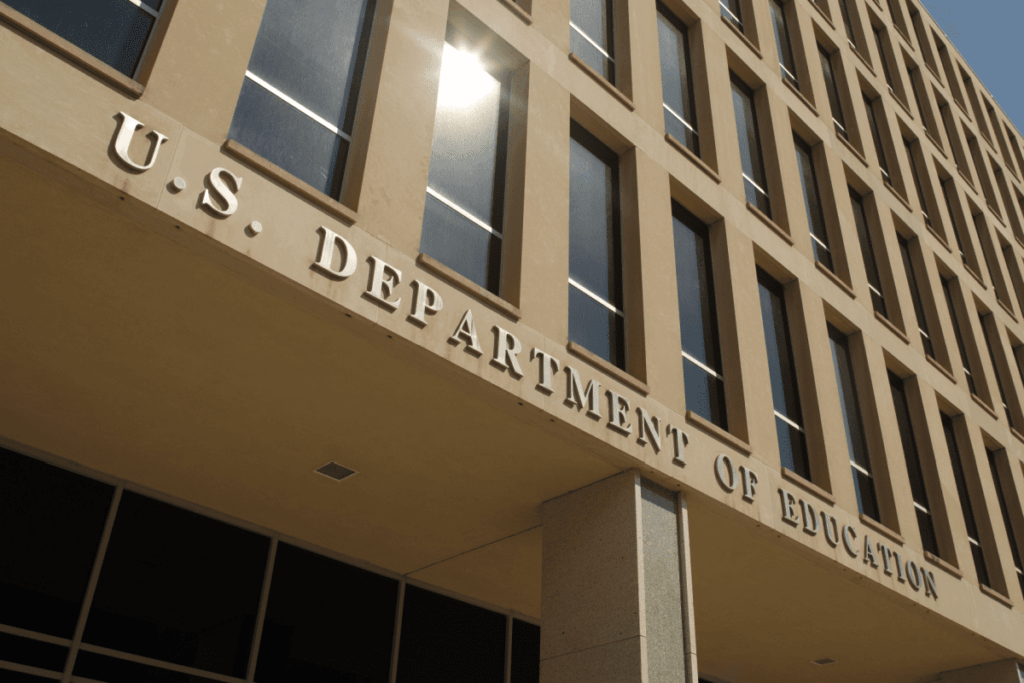
From Congress to the White House to the Supreme Court, America’s political institutions shape every part of our lives. They decide how much you pay in taxes, whether your vote counts, and what rights you have. But are they working the way they’re supposed to?
What Is a Political Institution?
Political institutions are the organizations and systems that run our government. This includes the executive, legislative, and judicial branches of government, political parties, the electoral system, and federal departments. Their purpose? To create laws, enforce them, and make sure no single person or group gets too much power.
Are U.S. Political Institutions Still Effective?
Opinions vary on whether political institutions have the impact they once did or were intended to have. Changes happen over time.
While Washington, D.C., has its share of marble monuments etched with important, inspiring words, the role of such institutions isn’t exactly set in stone. Let’s look at the U.S. federal government and whether its institutions remain effective after recent structural changes.
How Have Government Structures Changed?
Politics is dynamic. As the parties in power change, so can the roles of those working in political institutions. In the U.S., we have a tripartite system of government. This means the federal government is structured in three branches:
The executive (the president, cabinet, and departments such as the Department of Defense)
The legislative (Congress)
The judicial (federal courts)
You’ve probably heard about “checks and balances.” The framers of the Constitution wanted these three branches to share power. Each branch had ways to prevent any other branch from exceeding its authority.
How Do Checks and Balances Work?
Let’s use, as an example, executive orders, which—yes—have major potential for controversy.
Presidents can issue executive orders without Congressional approval. They can also revoke or change previous presidents’ executive orders.
But there’s a catch: Executive orders cannot violate federal laws or the Constitution. Other political institutions have the right—and duty—to intervene.
Here’s how it works:
Potential problem: “The president is ignoring the will of the people by excluding Congress—their elected representatives—from the process. If the idea is widely supported, let Congress make it into a law and the president can sign it.”
Congressional check: Congress cannot overturn an executive order, but it can create and pass a law that denies it funding if they have enough votes to override a presidential veto.
Judicial check: Courts can rule that an executive order violates the Constitution or a federal law. If so, the court may invalidate it. If there’s ongoing legal action against it, the courts will issue an injunction to temporarily stop enforcement.
Changes at the Branch Level
When Congress gives the president a “rubber stamp,” they’re no longer providing checks and balances. Instead, they’re concentrating power at the executive level. This happens when Congress fails to challenge any part of the president’s agenda, even when some of it seems questionable.
Is this effective?
Those Who Say “Yay” When the president and a majority of Congress are from the same party, that party’s voters usually say it is. They voted for that president and their congressional majority.
Those Who Say “Nay” Some argue Congress should keep the power of the president in check, especially when the president’s actions skirt the line on constitutionality, legality, fiscal responsibility, or ethics, regardless of their political party.
Those Who Say “Yay” The number of federal employees has shrunk. So has the funding. Those who support shrinking the federal government believe the country runs more efficiently when states and their people call the shots. They also argue that fewer federal offices and employees means more money in taxpayers’ pockets.
Those Who Say “Nay” The changes at the U.S. federal level—layoffs and funding cuts—worry people who believe services will be dropped, cut back, or significantly slowed. The federal government provides funding for education, emergency services, and other resources that many people consider essential.
Who’s right? Time and opinion will be the judges.
Frequently Asked Questions
What are political institutions? Political institutions are the components that make our system of government run. They include the presidency, Congress, courts, and political parties.
How are political institutions changing? With politics so polarized, Congress and the courts often take a backseat when one party controls everything. It’s easier for the president to take the lead—and harder for other branches to push back. This goes against their responsibility to check the powers of the other branches of government. Also, more federal departments are being downsized, with their futures uncertain.
Are today’s political institutions effective given changing government structures? This depends on your perspective. People from the stronger party are always inclined to answer “yes” and the weaker party “no.” But you should also consider how well the political institutions are fulfilling their responsibilities—like checks and balances—for a clearer picture.
Earn Your Political Science Degree Online
The University of Texas Permian Basin’s online Bachelor of Arts in Political Science explores the structure and function of political systems in the U.S. and beyond. Choose one of four focus areas to align with your career goals and personal interests!
This program is available online exclusively at this UT System institution.
The Supreme Court may seem far from daily life, with its formal robes, marble columns, and lofty legal language. But its decisions don’t stay in Washington, D.C. They can shape the rules people live under every day. Those rulings can show up in your child’s classroom, your workplace, your doctor’s office, your phone, your voting booth, and…
When people picture women who reshaped American politics, Ruth Bader Ginsburg often comes to mind first—and for good reason. RBG changed how the law sees gender equality from the inside of the Supreme Court. But here’s the thing: she wasn’t in Congress. Long before women were reliably winning elections—long before it was even legal for…
Ever wonder how elections actually work? The answer lies in electoral systems. Not to be confused with the Electoral College, an electoral system is a set of rules for casting and counting votes and determining who wins. Different countries use different methods to choose their leaders. Some systems can declare a winner with just 34%…