What Do Political Parties Do? Their Role in U.S. Government
Political parties play a central role in how American policies are created, debated, and carried out. At their core, each party contains groups of people who share broad viewpoints on major issues and work to turn those ideas into laws. They recruit candidates, organize voters, help the government run, and shape the direction of national and local policy.
While the United States has two major parties, several smaller parties and independent candidates also influence elections and public debate. Below, we break down what political parties do and how they shape policy and governance.
What Do Political Parties Do?
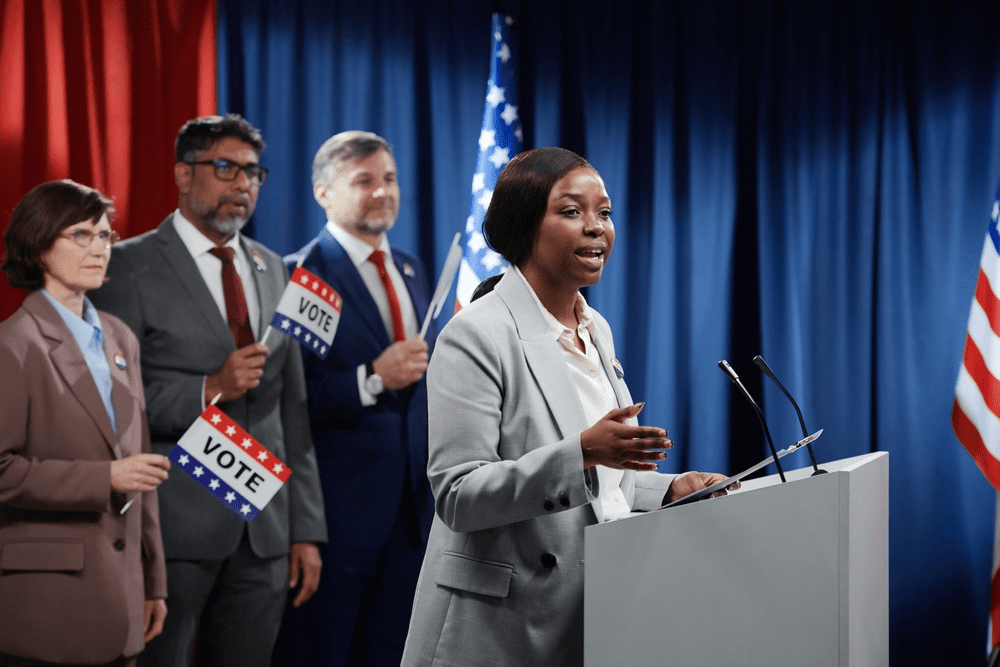
Political parties recruit and support candidates, organize election campaigns, encourage people to vote, develop policy platforms, and help elected officials work together once they’re in office.
They also give voters a way to compare broad ideas about how the government should operate. While individual candidates may disagree with parts of their party’s platform, the party label gives voters a general sense of the policies that candidate is likely to support.
How Political Parties Shape Government Policy
Political parties, often working with think tanks, develop policy platforms that outline where they stand on major issues. These platforms also clarify the purpose of a political party, helping voters understand what each group represents.
When their candidates win elections, those platforms become the basis for the policies they try to move forward. Putting these ideas into law takes negotiation and compromise, and progress can slow—or stop entirely—when other lawmakers or the public oppose a proposal.
How Political Parties Organize Elections and Candidates
Before enticing voters, however, parties must attract suitable candidates to represent their ideology. After taking office, these individuals ideally continue to represent the interests of their supporters. Their roles involve performing the balancing act of representing their broader constituency, which may include people who don’t support them.
How Parties Influence the Lawmaking Process
Lawmakers turn a party’s platform into actual bills through the legislative process. They rely on support from fellow party members and, often, on cooperation from lawmakers in the opposing party.
Compromise is common, especially when no single party holds full control. When a party does have a strong majority in the House or Senate, it gains significant influence and can advance legislation even when there is partisan disagreement.
Checks, Balances, and How Parties Work in Congress
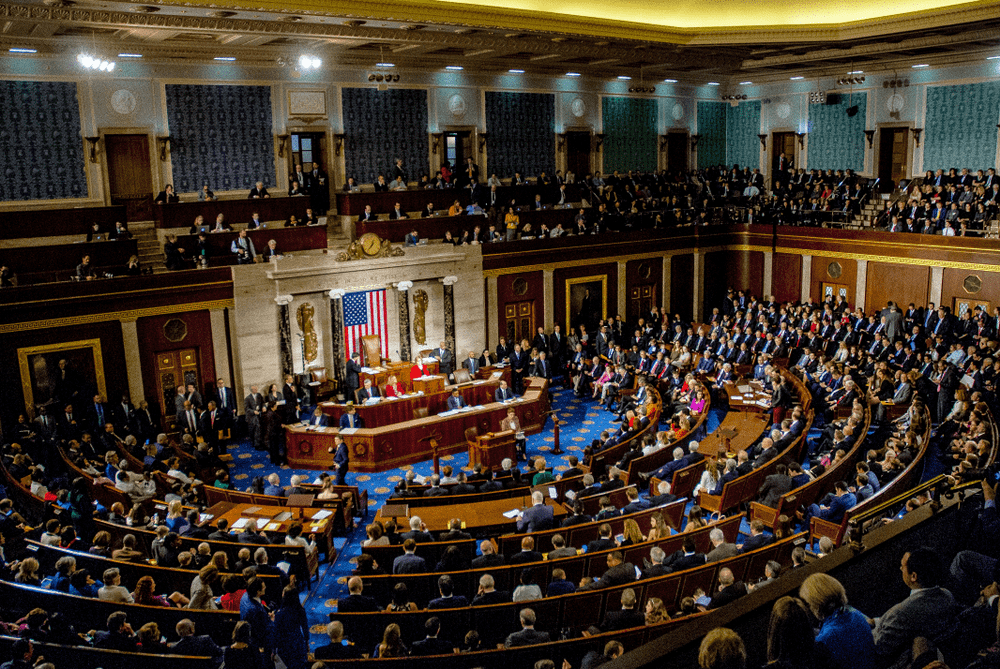
The House and Senate share the job of making laws, but they don’t have all the same responsibilities. Before a bill can go to the president, both chambers must agree on the exact same version. Political parties help move that process along by deciding which issues to prioritize and rallying lawmakers behind specific bills.
Here’s how some of their responsibilities differ:
The House introduces bills that raise revenue and has the power to impeach federal officials. If no presidential candidate wins a majority of electoral votes, the House also chooses the president.
The Senate holds impeachment trials and votes on presidential nominations and treaties. Both chambers help shape the federal budget and must approve legislation needed to fund the government.
How Parties Communicate With the Public
Political parties try to rally support around specific issues, appealing to their own senators and representatives as well as those of opposing parties (“reaching across the aisle”). Public outreach efforts sometimes take the form of rallies, town halls, and talk show appearances
How Parties Coordinate Within Congress
Political parties regularly hold caucus meetings to make sure all their members are aware of key legislation and concerns. These meetings also help build unified support for the party’s policy positions.
Advance Your Understanding With Our Online Political Science Degree
If you’re interested in understanding these processes more deeply, a formal education in political science can provide the broader context behind how parties and institutions shape U.S. governance.
The American political system as viewed through an international lens
Some students use our online political science degree as a stepping stone to law school and a legal career, while others pursue roles in government, education, and private business.
Ready to deepen your understanding of the political system? Explore how UTPB’s online BA in political science can support your academic and professional goals.
The Supreme Court may seem far from daily life, with its formal robes, marble columns, and lofty legal language. But its decisions don’t stay in Washington, D.C. They can shape the rules people live under every day. Those rulings can show up in your child’s classroom, your workplace, your doctor’s office, your phone, your voting booth, and…
From Congress to the White House to the Supreme Court, America’s political institutions shape every part of our lives. They decide how much you pay in taxes, whether your vote counts, and what rights you have. But are they working the way they’re supposed to? What Is a Political Institution? Political institutions are the organizations…
When people picture women who reshaped American politics, Ruth Bader Ginsburg often comes to mind first—and for good reason. RBG changed how the law sees gender equality from the inside of the Supreme Court. But here’s the thing: she wasn’t in Congress. Long before women were reliably winning elections—long before it was even legal for…