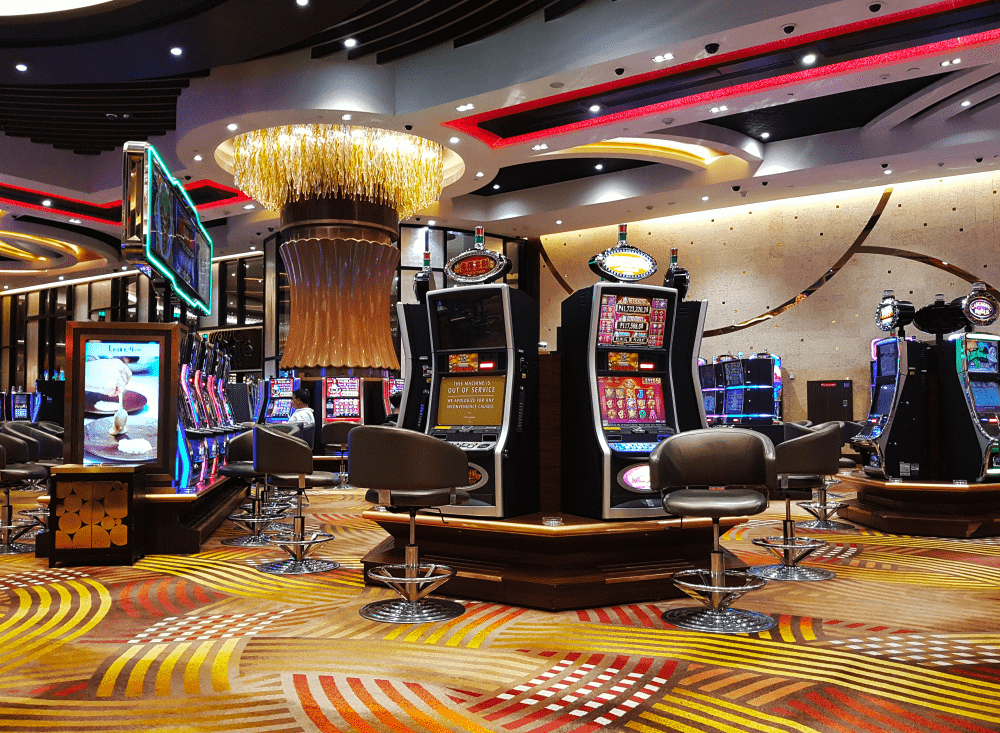
Gambling Psychology: How Casino Design Keeps Players Playing
Casinos don’t just rely on luck to make money—they rely on psychology. From the moment you step onto a gaming floor, everything around you is designed to keep you playing longer than you planned.
While gambling industry groups promote responsible gaming, the subtle cues that influence behavior are often hiding in plain sight. Lighting, sounds, and layout (and yes, even décor) all work together to shape the level of risk guests take and how hard it is for them to walk away.
In this article, we’ll explore the psychology of gambling from two angles: how casinos are intentionally designed to influence behavior and how the brain’s reward system can make gambling especially compelling (and hard to stop).
How Are Casinos Designed to Keep Gamblers Playing?
While most gamblers arrive focused on winning, casinos focus on something else entirely: keeping people engaged for as long as possible.
To do this, casino designers rely on principles from behavioral psychology and neuroscience. The goal is to:
Reduce distractions
Distort the perception of time
Create a sensory experience that keeps the brain stimulated and focused on the games
Many of these design elements work subtly, influencing attention, comfort, and decision-making without players consciously realizing it.
The Psychology of Casino Design: How Gambling Environments Influence Behavior
While gamblers are keeping their eyes on the prize (cash money), casinos employ some of their own moves to keep gamblers playing. You may win, but the longer you play, the higher the odds are that you’ll lose money before leaving the casino.
That’s why they don’t want you to leave.
Psychology plays a central role in how casinos encourage gamblers to stay and keep playing. It’s easy to identify the reasoning behind all those free drinks, meals, and even fully comped hotel rooms, but you may not recognize some other ways they encourage you to stay put.
Many casino design strategies are based on behavioral psychology and insights from former gamblers. These choices influence how players perceive time, risk, and when—or whether—to leave. This approach is often described as casino design psychology: the intentional use of layout, lighting, sound, and décor to influence attention, decision-making, and how long players remain engaged.
Sensory Overload on the Casino Floor
The bright lights and colors, music, collective hum of slot machines, and pleasant scents pumped through ventilation systems (casino scent marketing) all say, “Stay and have fun!” (Online gambling doesn’t share the same appeal and is less conducive to compulsive playing.)
These elements are a core part of casino psychology, using sensory stimulation to keep players focused on the games rather than on time or spending.Why Casinos Use Busy, “Ugly” Carpet DesignsThose ugly casino carpets aren’t the work of an interior decorator with bad taste: They have their own psychological purpose. Most of the designs are so busy” you couldn’t possibly relax, get tired, and call it a night in their vicinity. Further, they can help keep your eyes on the games.
No Windows, No Clocks, No Sense of Time
Many casinos have no windows or clocks within eyeshot of the gaming floor, so gamblers may not realize how long they’ve been playing or that the sun has set and risen since they last saw it.
Maze-Like Layouts That Make Leaving Harder
The best gaming floors are the hardest ones to leave. That’s why many are laid out in a maze-like fashion that makes a quick exit difficult.
The Psychology of Gambling Addiction: Dopamine, Risk, and Reward
The psychology of gambling doesn’t stop with casino design. t also involves how the brain responds to risk, reward, and anticipation. So, why is gambling addictive? The Mental Health Foundation says that it has to do with, “the adrenaline rush to win money, socialise or escape from worries or stress.”
The chance to walk away richer is an undeniably compelling reason to take financial risks. And if that wasn’t enough, the pleasure of indulging in bright games of chance causes the release of the hormone dopamine in the human brain.
According to the Cleveland Clinic, “our brains are hard-wired to seek out behaviors that release dopamine in our reward system … You feel good and you seek more of that feeling.” Risk-taking is part of what makes gambling exciting, triggering the release of adrenaline and dopamine that creates a temporary sense of pleasure and reward.
There’s also evidence that losing motivates gamblers to start new games more quickly to recoup their losses, a phenomenon known as “post-loss speeding.” 2022 study suggests that gamblers are more predisposed to psychopathy, a “neuropsychiatric disorder marked by deficient emotional responses, lack of empathy, and poor behavioral controls …”
Americans show no signs of giving up the rush their gambling habits provide anytime soon. To the contrary, gambling establishments are reaping record revenue.
Make a Responsible Investment for Your Future
When it comes to career potential, earning a bachelor’s degree in psychology is the move. A psychology degree develops core skills in analysis, communication, and human behavior that are useful across many professional fields, not just clinical psychology.
Our program’s 100% online, asynchronous format also makes it a sensible choice for anyone who needs to juggle professional and personal responsibilities while earning their degree. No campus visits are required, and you can complete your studies on your own schedule from any time zone on the planet.
Curious where an understanding of human behavior can take you? Explore UTPB’s online BA in psychology and see if it fits your goals.
Psychology is one of the broadest academic fields, and one of the most versatile. It spans everything from courtrooms to corporate offices, from childhood development to competitive sports. With so many specialties (and subspecialties), it can be tough to know where to even start. So exactly how many branches of psychology are there? The field is…
Ever reach for your phone and instantly face a barrage of messages, notifications, subscription reminders, and social media updates? You’re not alone. Scientists have estimated that the average person processes about 74 gigabytes of information daily: equivalent to watching 16 high-definition movies back-to-back in a single day. Cognitive overload is real. And over time, constant stimulation quietly changes how we think, focus, and feel. In this article, we’ll explore: What Does Cognitive Overload Mean? Cognitive overload happens when your brain receives more information than…
When someone struggles with depression, homelessness, or discrimination, who steps in to help? A psychologist? A social worker? A sociologist? These three fields all address human challenges, but they explore humanity from very different angles: one from society, one from the mind, and one from the front lines. So what are the similarities and differences between sociology, psychology, and social work? This guide clears up…