Civil Rights Then and Now: MLK’s Influence on Public Policy
The Civil Rights Act of 1964 changed the lives of millions of Americans. It guaranteed the right to vote, ended segregated public spaces, and made employment discrimination illegal. Historians rank it alongside the Constitution and the Emancipation Proclamation as one of the most important documents in U.S. history.
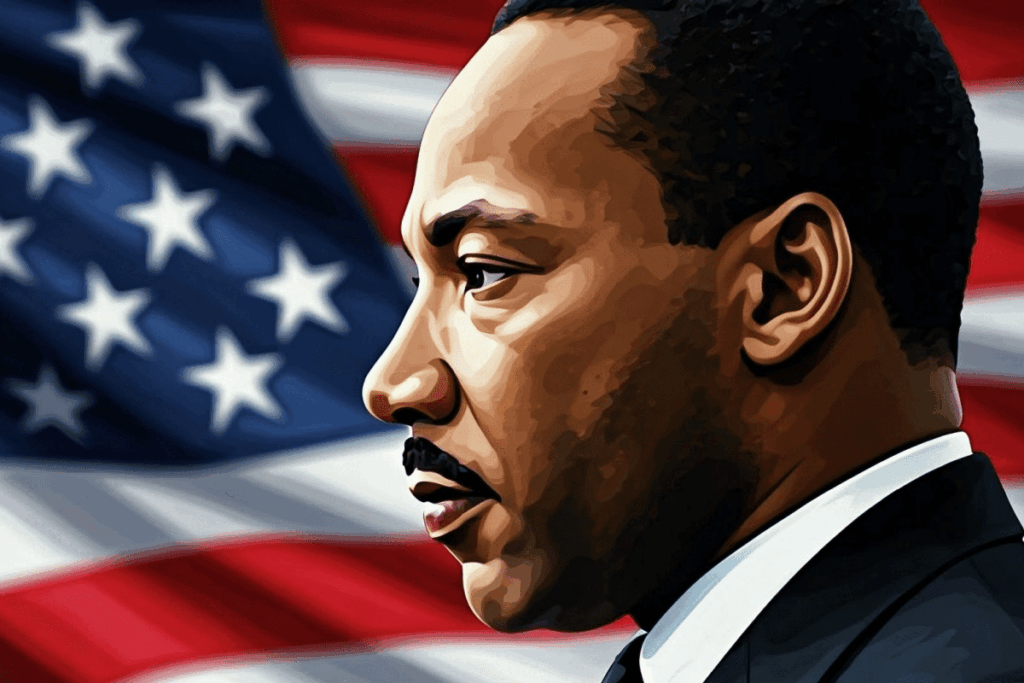
Five months after the act passed, Martin Luther King Jr., 35, became the youngest Nobel Peace Prize recipient to date. These two moments are directly connected; the Civil Rights Act wouldn’t exist without MLK’s efforts.
In commemoration of Martin Luther King Jr. Day 2026, we’ll look back at how MLK helped shape public policy in ways that still guide us today.
Who Was Martin Luther King Jr.?
Born in 1929 in Atlanta, Georgia, MLK was outspoken about racial equality from an early age. At 17, he backed minority rights in a letter to the Atlanta Constitution. Like his father, he became an ordained minister. But young Martin made his biggest impact through civil rights activism.
MLK was the driving force behind the U.S. civil rights movement. His legacy lives on beyond his 39 years through his achievements and a name that still defines the struggle for equality.
MLK grew up experiencing injustices that would fuel his life’s work, including:
And not just in the South, either. Federal offices and the military stayed segregated until 1948.
Here are some of MLK’s most important contributions to federal policy and civil rights legislation.
MLK’s Path to Public Policy Influence: A Timeline
From bus boycotts to the steps of the Lincoln Memorial, MLK built a movement that forced America to act. Here’s a timeline of how MLK turned protests into policy between 1955 and 1964.
1955: Helped arrange the Montgomery, Alabama, bus boycotts after Rosa Parks’ arrest, leading to Supreme Court-ordered bus desegregation.
1960: Raised segregation awareness by joining students in lunch counter sit-ins in Atlanta.
1961–62: Made unsuccessful attempts to desegregate Albany, Georgia, during the Albany Movement, but energized the community.
1963: Braved police dog attacks and fire hoses while peacefully protesting white supremacy during the Birmingham Campaign.
1963: Helped organize the March on Washington for Jobs and Freedom, advocating for equality legislation while delivering his “I Have a Dream” speech to 250,000 attendees.
1963–1964: Worked with newly sworn-in President Lyndon B. Johnson on civil rights legislation.
Each of these events of the civil rights movement built momentum that translated into public policy wins through trailblazing federal laws. Let’s look at two examples from MLK’s lifetime.
The Civil Rights Act of 1964: Making Equality Federal Law
MLK’s activism and connections with high-ranking public officials directly influenced the most vital civil rights laws in U.S. history.
MLK had planted the seed in public policy discussions with President Kennedy. It bore fruit when President Johnson signed the Civil Rights Act of 1964—MLK standing just over his shoulder.
The act outlawed discrimination based on:
Race
Color
National origin
Sex
Religion
The act’s 11 sections protected the most fundamental rights and civic duties. Black Americans and other marginalized groups could no longer legally be:
Blocked from voting through discriminatory tactics or tests
Denied hotel rooms or restaurant service
Forced into segregated schools
Turned away from jobs because of who they were
Segregated in public facilities
The Civil Rights Act wasn’t perfect, but it was a lasting and impactful step America needed to take. Amended and expanded over time, it remains a powerful affirmation of equality in U.S. law.
Voting Rights Act of 1965: Protecting Access to the Ballot
The Civil Rights Act already covered voting. Why pass another voting act? Because racial violence showed that it wasn’t enough.
Mississippi Murders
Two white men from New York and a young Black man from Mississippi were murdered by the Ku Klux Klan while helping register Black voters. Just one of 18 defendants saw substantial prison time.
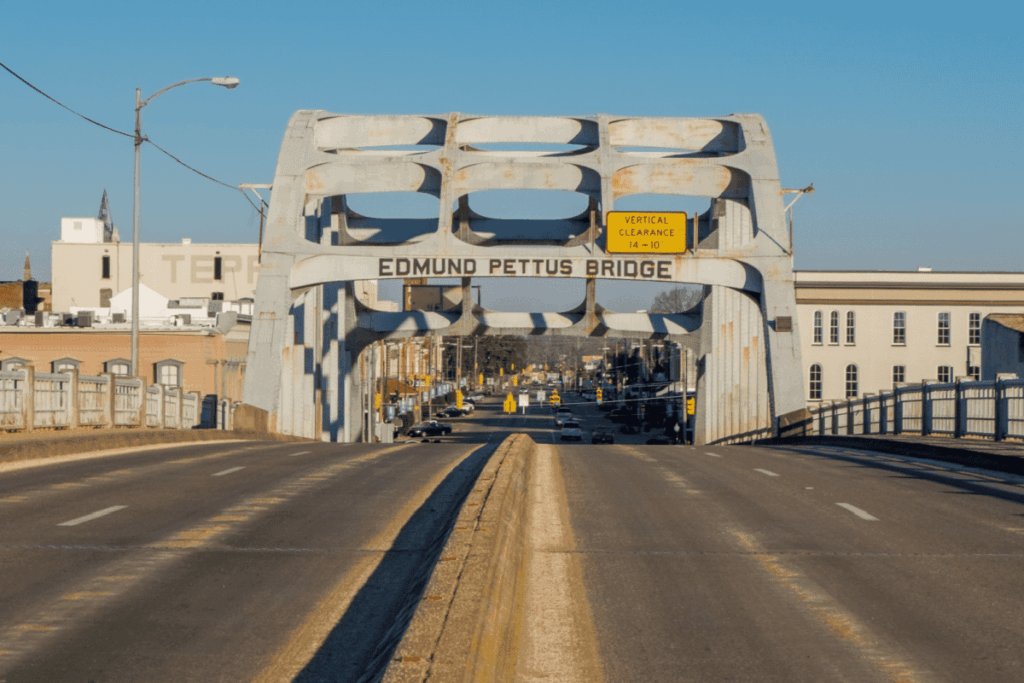
MLK later led 25,000 people—guarded by U.S. troops and federal officers—to complete the march.
In August, the president signed the Voting Rights Act into law. MLK stood nearby. He wouldn’t live to see the Civil Rights Act of 1968 (Fair Housing Act) pass, but his work made it possible.
Will MLK’s legacy be protected? His sacrifices honored? Time will tell. But his example continues to inspire others wishing to advance equality through public service.
Shape Public Policy With an Online Master of Public Administration
Martin Luther King showed us that perseverance and passion can spark laws and change lives. His fight reminds us that public policy is one of the most powerful tools for equality and justice.
The University of Texas Permian Basin’s online Master of Public Administration (MPA) empowers you to make your own impact in public service. Gain practical skills and insight through courses including:
If you hop on a Citi Bike in New York City, you’re doing more than just getting across town. You’re helping create real-time data that city planners use to design new bus routes and bike lanes where they’re needed most. Convenient and essential, right? Big data is reshaping our cities—and the future of public administration….
So, you’ve decided to take the next step in your career with a Master of Public Administration (MPA). You’re eyeing your next promotion, eager to lead, and one click away from applying—then reality hits: tuition, fees, books. Your ambitions shouldn’t come with a heavy price tag, and the good news is, they don’t have to….
Women have long been a driving force in public service, bringing fresh perspectives, transformative leadership, and a commitment to progress. As more women step into political and leadership roles, they are reshaping institutions, amplifying voices, and driving meaningful change. Their impact is undeniable—breaking barriers, challenging norms, and paving the way for a brighter future. Changing…