Integrity in Accounting: 3 Case Studies and Ethical Tips
Picture this: You’re a junior accountant, and your manager asks you to tweak a report to make the numbers look better. The request sounds harmless enough—just a small tweak—but you know it’s not above board.
Now you’re stuck. Do you follow orders and risk crossing an ethical line, or do you push back and risk your job? What would be the ethical way to handle this?
Scenarios like this aren’t just classroom hypotheticals. They’re part of the real challenges accountants face every day. That’s why it’s worth exploring:
Core principles in accounting ethics
Dilemmas that come up most often
Best practices that help accountants make the right call
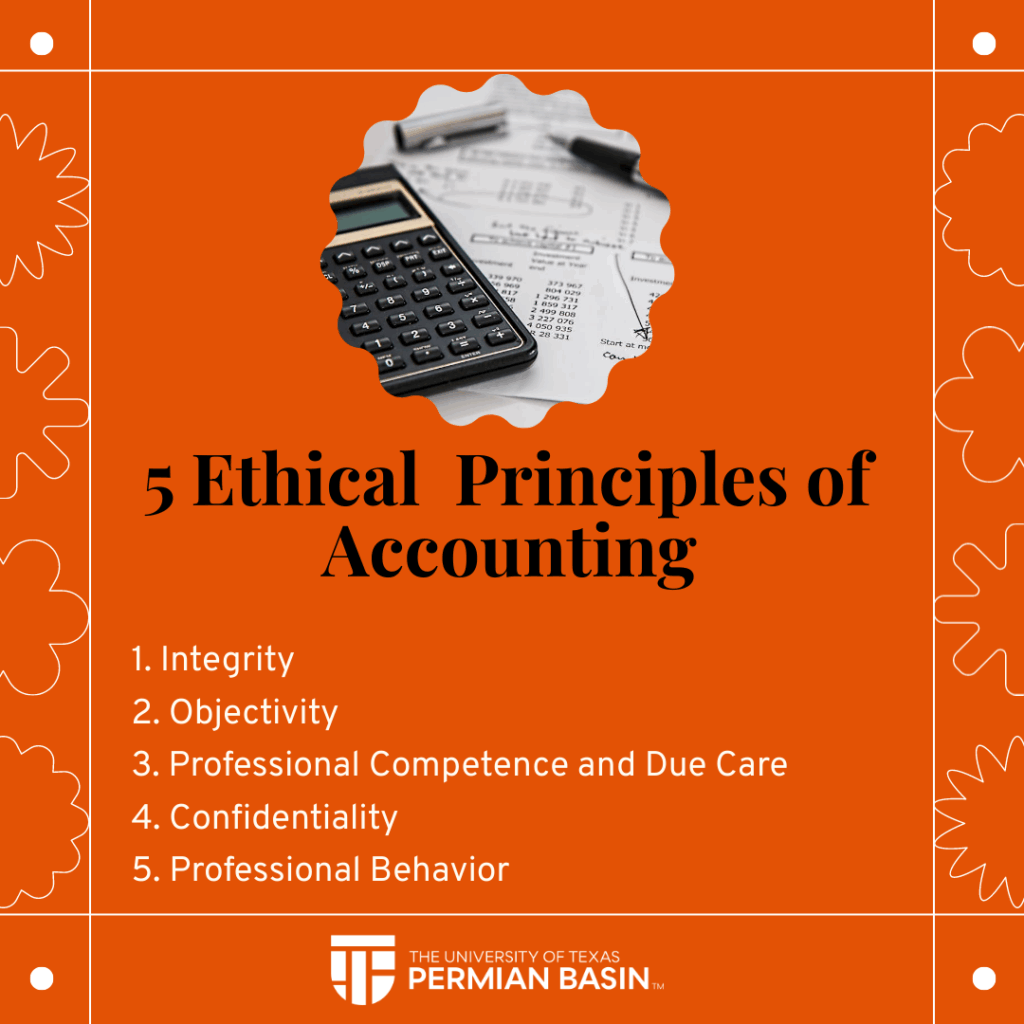
What Are the Five Fundamental Accounting Principles?
Integrity in accounting isn’t just about knowing how to balance the books; it’s about learning how to balance your judgment to make the most ethical decision.
Professional organizations like the International Federation of Accountants (IFAC) and the American Institute of CPAs (AICPA) outline five fundamental principles that guide ethical decision-making:
Integrity: Be honest and straightforward, even when telling the truth is difficult.
Objectivity: Don’t let bias, conflicts of interest, or outside pressure affect your decisions.
Professional competence and due care: Keep your skills current and deliver quality work.
Confidentiality: Protect sensitive information but also understand when the law requires you to disclose it.
Professional behavior: Follow regulations and avoid actions that discredit the profession. (If it feels shady, it probably is.)
These principles are more than theory. They’re the moral compass for anyone working in accounting.
Ethical Dilemmas in Accounting: 3 Case Studies
Ethical issues in accounting don’t always announce themselves with flashing lights. They often show up in subtle ways, where the “right” decision isn’t immediately clear.
An accountant is asked to reclassify expenses as assets to make the company’s financial performance look stronger. At first glance, this might seem like creative accounting. In reality, it’s misleading reporting.
Ethical takeaway: Upholding integrity and objectivity means refusing to distort financial information, even if it keeps management happy.
#2 Breach of Confidentiality vs. Public Interest
While reviewing accounts, an accountant uncovers evidence of misused public funds. Reporting it could protect taxpayers, but it also means breaking confidentiality rules.
Ethical takeaway: Accountants must weigh the duty of confidentiality against the obligation to act in the public interest. In some cases, whistleblowing is not only ethical but necessary.
#3 Conflict of Interest in Advisory Roles
An accountant is asked to evaluate supplier bids for a government contract. One of the bidders happens to be a relative’s company. Even if the accountant stays neutral, the perception of bias can undermine trust.
Ethical takeaway: Disclosing the conflict and stepping aside is the only way to preserve objectivity.
These examples may be hypothetical, but they mirror real challenges accountants face worldwide.
Other Common Ethical Issues in Accounting
In addition to the scenarios above, accountants also face these types of dilemmas:
Fraudulent expense reporting Being asked to overlook or approve personal expenses disguised as business costs, like a manager charging personal travel to a client project.
Cybersecurity and data breaches Deciding how to protect or disclose sensitive client information after a breach, such as a leaked payroll database.
Earnings management pressure Using “creative” timing of transactions to smooth profits across reporting periods, like delaying expense recognition to hit quarterly targets.
Auditor independence Avoiding situations where close ties with a client might compromise an unbiased audit, such as auditing a friend’s company.
Insider knowledge Resisting the temptation to use confidential financial information for personal gain, like buying stock based on unreleased reports.
If you think this sounds like the plot of a Netflix drama, you’re not wrong — but there may be fewer car chases and more questionable spreadsheets.
8 Accounting Best Practices to Avoid Ethical Issues
So how can accountants—and students preparing to enter the field—stay on the right side of these challenges? Here are some tried-and-true best practices:
Know the five fundamental principles and use them as your ethical checklist.
Stay current with professional codes of conduct like those from AICPA or IFAC.
Document your decisions. Clear records can protect you if your judgment is questioned.
Exercise professional skepticism: Verify information instead of taking it at face value.
Disclose conflicts of interest before they become problems.
Protect confidentiality but understand when the law requires disclosure.
Seek guidance from mentors, ethics committees, or professors when in doubt.
Promote transparency. Short-term discomfort is better than long-term damage to your reputation.
Following these practices doesn’t just protect your career. It also builds the kind of trust that keeps clients, employers, and the public confident in the profession.
Make the Right Choice For Your Future at UTPB
Ethical dilemmas in accounting aren’t going away. If anything, the digital age (with its data privacy issues, cybersecurity risks, and remote work dynamics) has made them more complex than ever. But with the right principles and practices, accountants can navigate them with confidence.
If you’re curious about more than just crunching numbers, UTPB’s online BBA and MBA in accounting programs go beyond balance sheets to tackle real-world ethical challenges. You’ll:
Reflect on case studies
Practice decision-making
Gain the tools to face these dilemmas head-on
And because the programs are flexible and online, you can learn on your schedule—whether that’s after work, during your lunch break, or while sipping cold brew at your favorite coffee shop.
Want to see how ethics and accounting actually play out in real life? Grab the info you need:
If you’re studying accounting, there’s a decent chance you’ve heard some version of this advice: “Try to get into the Big 4.” Easy enough, right? Big 4 (or Big Four) accounting jobs can be competitive, especially for students and recent graduates trying to get their foot in the door. But to get hired at one of these elite companies, you don’t need a…
When you hear the word “accountant,” who comes to mind? Someone balancing spreadsheets and filing taxes? If so, you’re on the right track. But there’s more to it. Within the field of accounting, one credential stands apart: the Certified Public Accountant (CPA). While both accountants and CPAs manage finances, advise clients, and ensure the accuracy…
You’ve always been an analytical thinker. A problem solver. Maybe a math whiz, too. There’s a career that matches your strengths. Certified Public Accountants—or CPAs—excel in these qualities. Let’s explore why a CPA is no ordinary accountant and what it takes to become one. Want to Be a CPA? Here’s What You Need to Know …