“Business” is a broad term encompassing marketing, management, accounting, finance, and other functional areas. Each of these areas play a key role in the operation and success of any business, but for this article we’re going to focus on marketing. First, with a definition from a leading marketing organization, and then some clarification of our own.
The American Marketing Association (AMA) defines marketing as:
“ … the activity, set of institutions, and processes for creating, communicating, delivering, and exchanging offerings that have value for customers, clients, partners, and society at large.”
In other words, marketing drives business. It’s what lets the world know a product or service exists. It allows an organization to highlight the benefits of their products, services, or mission and differentiate themselves from the competition. An organization may market to consumers (business-to-consumer, or B2C), to other businesses (business-to-business, or B2B), or both. Let’s review some ways that an organization markets what it has to offer to the world.
Modern Marketing Strategies
As media and technology evolve—and consumers become more marketing-savvy—marketers must adapt and introduce new kinds of marketing to connect with their intended audience. Let’s look at a few of the kinds of marketing that organizations use today, starting with some of the more traditional tactics. It should be noted that a business may use any combination of these to achieve their marketing goals, as no single form of marketing necessarily appeals to or reaches all potential consumers.
Outbound Marketing This is “traditional” marketing, which includes the use of advertising channels such as broadcast, outdoor (billboard), and print to share a promotional message.
Inbound Marketing This style of marketing uses more modern marketing avenues, such as social media and blogs, and allows marketers to target their messaging to a specific audience.
Content Marketing This involves the creation of original videos, articles, product reviews, and other types of content for use as internet-based marketing tools.
Keyword Marketing Businesses employ search engine optimization by using highly searched words and phrases in their web presence to make their online marketing easier to find.
The incredible growth of both the internet and social media have given “word-of-mouth” (WOM) marketing a tremendous reach that wasn’t previously possible. Examples include:
Viral Marketing This is a phenomenon in which people share funny, touching, clever, unique, or otherwise interesting marketing messages with others via social media, text, or email. Recipients then share those same marketing messages with others, and the process continues until the marketing message’s reach has grown exponentially.
Influencer Marketing Largely a 21st-century phenomenon, this type of marketing revolves around celebrities and influencers promoting a product or service through a devoted following.
Marketing is a rewarding and dynamic field, but it’s also a challenging one. If you’re interested in becoming a marketing professional, you’ll need to gain the credentials that will both help you enter the field and advance within it.
Lucrative Marketing Careers
Marketing expertise can prepare you for a rewarding career in a near-limitless variety of fields and private and public companies. As just one example, marketing managers enjoy annual salaries in the six figures. According to the U.S. Bureau of Labor Statistics (BLS), advertising, promotions, and marketing managers earn median annual pay of $133,380. Having an advanced degree can help you compete for high-paying roles such as marketing manager.
Valued Marketing Credentials and Expertise
If you want to see what an advanced degree can do for your professional potential, consider our online Master of Business Administration with emphasis in marketing. Offered through our AACSB-accredited College of Business, our program helps bachelor’s degree holders build highly marketable leadership and operational skills and knowledge. In as little as four semesters and with 33 credits, you can graduate ready to pursue a variety of coveted marketing positions.
A More Accessible Master’s Degree
Choose UT Permian Basin for your online MBA with emphasis in marketing and you may be surprised at the accessibility of our program’s cost and convenience. UTPB has some of the most competitive tuition rates of any accredited U.S. university of our stature. Further, our program’s 100% online, asynchronous format enables you to complete your degree on your own schedule from virtually anywhere in the world. Maintain your professional and personal commitments while completing our program.
See what our advanced marketing degree can do for your career prospects. Apply now.
Want to learn more about our other MBA programs? Browse them now.
The No Child Left Behind (NCLB) Act, signed into law by President George W. Bush in 2002, was controversial from the outset. It arose out of concern about American K-12 students’ academic achievements as compared to other countries and the disparities in educational outcomes amongst different demographics of U.S. students. NCLB sought to bridge this internal and external achievement gap through heavier federal oversight and a substantial reliance on standardized testing. Still, this seemingly uncontentious law would generate a great deal of debate.
Under the new law, the federal government exercised greater authority over state schools, with increased accountability for individual schools to raise students’ test scores and penalties—including funding cuts and closure—for those that didn’t. Schools were directed to report overall standardized test results as well as separate results for categories of students including special education, minority, economically disadvantaged, and ESL. NCLB faced criticism for putting an undue burden on some students, particularly special education students.
Was No Child Left Behind Successful?
Let’s look at some of the results of NCLB to determine whether it was a success—a topic that is still debated today. As you’ll see, answering that question is no easy task.
It Depends on How You Judge Success
Did NCLB meet all its goals? To be fair, few laws do. While NCLB came up short, it did have some positive impacts. Elementary school math scores increased while the law was in effect, with Black fourth graders and eighth graders reaching their highest recorded scores in the subject. This may be because NCLB spurred an increased focus on math and reading. The downside? It also caused schools to put less focus on subjects like science and social studies, which are also critical for growing minds. Educators were more likely to “teach to the test”—one longstanding criticism of standardized testing—after NCLB was implemented.
It Depends on Whom You Ask
There was no consensus on the success of NCLB while or after the law was in effect. The National Education Association (NEA), an educator-driven organization founded in 1857, had this to say:
“In its relentless focus on measuring outcomes with test scores, NCLB failed to provide the resources to ensure that every student had the opportunity to learn and excel. As a result, achievement goals were never reached and teachers, students and schools were pilloried by everyone and anyone looking for a scapegoat.”
The Washington Post did not mince words, stating unequivocally that the law had “failed.”
FiveThirtyEight, a news and commentary website known for publishing topical stories based on data and empirical evidence, saw a significant, positive outcome among NCLB’s disappointments:
“[S]tates have improved their capacity to track students from year to year … The improved data makes it possible to see how students’ performance changes over time.”
The Verdict
Ultimately, some aspects of NCLB worked and some didn’t. It’s notable that NCLB was replaced in late 2015 when President Barack Obama signed the Every Student Succeeds Act (ESSA) into law, perhaps the strongest indicator of NCLB’s failure. ESSA removed many of the contentious aspects of the law—for example, it shifted control away from the federal government and back to the states—and added its own new provisions. To the credits of its architects, however, NCLB did represent both an acknowledgement of the shortcomings of our education system at the time and a large-scale effort to rectify them.
Make Your Own Contribution to Improved Student Outcomes
If you’re an educator who has already completed a bachelor’s degree and you’re ready to expand your impact with a master’s degree in special education, The University of Texas Permian Basin is here for you. We offer online MA in special education programs that enable you to choose an area of focus that aligns with your professional goals. Choose from:
No GRE is required for any of these programs, and you can finish your degree in as little as one year. In addition, you may be able to pay for your program with a TEACH grant, depending on your eligibility. Spring and fall sessions are just eight weeks long, while summer sessions last just seven weeks.
The Advantages of Earning Your MA in Special Education Online
Our MA in special education programs are offered in an asynchronous, 100% online format that empowers you to complete a career-transforming degree on your own schedule from just about anywhere in the world. No campus visits are required. This means you can continue to fulfill your professional and personal commitments while enrolled in one of our flexible special education programs.
On a late winter’s day in 1908, an estimated 15,000 women took to the streets of New York City to protest wage inequality, a lack of professional advancement opportunities, long working hours, sexual harassment, and other ongoing issues. Change was slow to come, and the march itself was many decades in the making, with American women having challenged inequitable workplace conditions since at least the 1830s. A few years following that 1908 demonstration, International Women’s Day was instituted to honor women, their struggles and accomplishments.
Below we’ll take a brief look at a few milestones connected to International Women’s Day and meet some of the women who have distinguished themselves as administration leaders right here at The University of Texas Permian Basin.
International Women’s Day Important Dates and Facts
1909: National Women’s Day was established in the United States
1911: The first International Women’s Day was observed
1913: The current International Women’s Day commemoration date of March 8 was established
1975: The United Nations began to observe International Women’s Day
1996: The U.N. introduced an annual theme for International Women’s Day
2011: President Barack Obama declared March “Women’s History Month”
Distinguished Leaders in Our Midst
Women have made considerable strides in the professional realm and beyond since International Women’s Day was first observed. Though professional hurdles remain for women, they have become the majority in the college-educated workforce, with 2022 figures showing women hold 50.7% of U.S. jobs among college graduates. Among these women are several indispensable leaders that UT Permian Basin is very proud to call our own! Let’s meet them now:
Dr. Sandra Woodley, UT Permian Basin President
In 2017, UTPB got its first female president when the University welcomed Dr. Sandra Woodley to the post, where she remains to this day. Dr. Woodley has a long track record of leadership in education, having previously been chief executive officer for the University of Louisiana System, one of the largest higher education systems in the country. She has also fulfilled executive roles in higher education for other states. In addition, Dr. Woodley held board of director and strategic advisor positions for renowned national organizations. Read more …
Dr. Becky Spurlock, Senior Vice President for Student Affairs and Enrollment Management
In addition to her senior vice president responsibilities for a UTPB department that encompasses admissions, financial aid and scholarships, and the registrar’s office, Dr. Spurlock is an assistant professor in our College of Education’s Department of Educational Leadership. With more than 25 years of experience in student affairs, she is also an engaging, in-demand speaker and consultant in the field. Read more …
President’s Office Staff
These highly accomplished women also help keep the UTPB president’s office and the University itself running smoothly:
Tatum Hubbard, Chief of Staff and Vice President of Communications and Marketing
Tanya Lowery, Chief Compliance Officer
Paige Cooper, Assistant Vice President of Government and Community Affairs
Realize Your Own Leadership Potential
The UTPB administration is led by great women, and they wouldn’t be exceling in these roles without strong educational backgrounds of their own. At UT Permian Basin, we’re committed to helping all students realize their professional goals, whether it’s empowering them to launch a career from the ground floor or build the expertise and credentials necessary for a rewarding leadership role. To that end, we offer dozens of online degree and certificate programs that collectively represent required credentials for a career in practically any field. You can complete our online programs on a flexible schedule from practically anywhere in the world! Browse our program options now:
If you’re a veteran looking to pursue higher education online, you’ve come to the right place. The University of Texas Permian Basin (UTPB) has been recognized as one of the best universities for veterans, ranking among the top programs in the U.S. for 2025 by U.S. News & World Report.
We understand that transitioning from military service to civilian education can be a big step. That’s why we pride ourselves on providing flexible, affordable, and high-quality online programs that support your educational goals. In this article, we’ll highlight why UTPB is a top choice for veterans, based on both rankings and the benefits we offer.UTPB Recognized Among the Best Online Programs for Veterans
UTPB’s commitment to serving military personnel has earned it recognition in two important U.S. News & World Report rankings for 2025:
Best Online Bachelor’s Programs for Veterans (Ranking: #82)
Best Online MBA Programs for Veterans (Ranking: #89)
These rankings, selected from over 1,800 universities, are a testament to UTPB’s dedication to supporting our student veterans. With a long history of serving veterans, UTPB has become a trusted choice for those seeking to advance their education while balancing the unique challenges of military service.
How UTPB Earned Its Ranking: What Makes Us Stand Out for Veterans
The U.S. News & World Report rankings are based on a range of important factors that determine the quality of a university’s online programs. Here are three key factors that helped UTPB stand out:
#1 Engagement and Services
Our focus on providing engaged learning experiences and student services tailored to veterans is a key component of our high ranking. Whether it’s online tutoring, career counseling, or peer support, UTPB strives to ensure that our veteran students feel connected and supported throughout their academic journey.
#2 Faculty Expertise and Training
We’re proud of our dedicated faculty, many of whom are experts in their fields and have experience working with military students. This strong faculty foundation ensures that veterans receive the highest quality education in their chosen field.
#3 Affordability and Financial Support
At UTPB, we believe education should be affordable. That’s why we focus on keeping tuition rates low and offering a wide range of financial aid options, including GI Bill® benefits and the Falcon Free program (described below).
The Flexibility of UTPB’s Online Programs
For veterans, flexibility is key to balancing education with life’s other responsibilities. UTPB’s 100% online programs allow you to study at your own pace and from anywhere in the world. With asynchronous learning, you won’t have to worry about being tied to a set schedule or location, making it easier for you to succeed while managing family, work, or other obligations.
Here’s a look at the online programs we offer that are popular among veterans:
We understand that paying for higher education is a significant concern. That’s why UTPB offers several financial assistance programs designed specifically for veterans:
Post 9/11 GI Bill® (Chapter 33)
Montgomery GI Bill® (Chapter 30)
Hazlewood Act (for Texas veterans)
In addition, we offer Falcon Free: a program that allows Texas residents to earn a bachelor’s degree with 100% of tuition and fees covered—no loans and no debt. This is just one of the ways UTPB makes it easier for veterans to earn a quality education without the financial burden.
For more information, please email Military and Veteran Student Services at veterans@utpb.edu or call (432) 552-2830.
Take Advantage of UT Permian Basin’s Affordable Tuition
Even without the use of VA benefits or other types of financial aid, you’ll find UT Permian Basin’s per-credit-hour tuition rates among the most affordable of any accredited university.
Start Your Journey at UTPB Today
As a veteran, choosing the right educational institution is crucial for your future. With its top rankings, affordable tuition, and veteran-focused support, UTPB is the perfect place to continue your education and build a strong foundation for your next career. Whether you’re looking to earn a bachelor’s degree or advance with an MBA, we’ve got you covered.
Ready to Get Started?
Apply to the online degree program of your choice or speak with a UTPB academic advisor to determine which program aligns with your goals and interests.
You only get one chance to make a first impression. Cover letters have long been one of the best ways to set yourself apart in a competitive market. But in the era of AI screeners, even the most polished resumes—and their accompanying cover letters—feel like they’re disappearing into the void. With the job market more…
Getting accepted to The University of Texas Permian Basin is a big milestone. If you’re a working professional, the next step—asking your employer about tuition reimbursement—can feel a little intimidating. But it doesn’t have to be. Most organizations want employees who grow, stay, and contribute at a higher level. And many companies offer tuition reimbursement,…
The University of Texas Permian Basin is home to over 7,000 students. Whether on campus in West Texas or from a laptop hundreds of miles away, they’re part of a diverse community that values culture, connection, and progress. Every member of our Falcon Family deserves some time in the spotlight. But with Hispanic Heritage Month…
Did you know there are an estimated 1.3 million charitable nonprofit organizations (NPOs) in the United States? Considering this figure, and the diversity of organizations that fit under the nonprofit banner, it’s fair to say the impact of nonprofits on communities is significant. Let’s break that down into specifics by outlining some of the ways nonprofits help communities. Some of them may even surprise you!
Why Are They Called Nonprofits?
Before we dive into the benefits of nonprofits, let’s first briefly define the term. According to FoundationList.org, a nonprofit is an organization that is “not operating primarily to make a profit” but “focuses on furthering a social cause or a shared goal or mission.” Any money a nonprofit takes in is not paid to shareholders but instead goes to supporting the organization itself and its cause. For these reasons, the IRS gives such organizations tax-exempt status. Nonprofits are funded through corporate contributions, donations, grants, and bequests.
How Nonprofits Benefit Communities
Depending on the type of organization, NPOs may offer these and/or other services at little or no cost to recipients:
They help raise money and awareness for myriad causes. They advance their policy agendas by educating legislators, elected officials, and the public on their mission.
They provide invaluable relief services in the face of ongoing concerns such as hunger and catastrophic events such as natural disasters and wars.
They have a positive financial impact on their community. Nonprofit organizations are employers and by current estimate provide jobs to some 12.3 million people. They also pay other parties for goods and services.
They encourage civic engagement, inspiring people to become involved with issues that affect their community.
They help make communities better places to live by promoting equality, clean and safe neighborhoods, respect for the environment, education, recreation, and community events.
They provide opportunities to volunteer.
They incite a passion for important issues among people in the community.
Make a Greater Impact on Your Own Community With an MPA
You too can make an impact on your community through a career in the nonprofit or public sector, and earning the right credentials is a great way to start. If you hold a bachelor’s degree from an accredited college or university, have a minimum 3.0 GPA, and meet all the other program requirements, we invite you to apply to our online Master of Public Administration (MPA) program.
During our program, you’ll master personnel administration, public budgeting, ethics, public policy, research, data analysis, and other theoretical and practical aspects of community leadership. Equipped with your MPA, you’ll be poised to launch a nonprofit or public sector career, move between the two fields, or advance in your current role.
Consider the advantages of our MPA program:
Finish your degree in as little as 12 months.
Steer your program curriculum toward your career goals with diverse interdisciplinary elective courses.
Complete your degree from practically any location with no campus visits required.
Earn a coveted master’s degree while maintaining your professional and personal commitments.
Learn from experts with extensive experience in the field: the same renowned faculty who teach the program at the UTPB campus.
Enjoy tuition rates that are among the most affordable of any regionally accredited university of our standing.
Graduate without writing a thesis or completing an internship.
Make a Greater Impact on Your Career And Compensation Potential
Did those advantages capture your attention? You may also be surprised to learn just how marketable an MPA is. This degree will help you excel in fields including:
Public safety
Transportation
Economic development
Parks and recreation
Human services
Criminal justice
Healthcare
Fine arts
In addition to expanding your professional options in a variety of rewarding careers, our MPA can give you a salary boost and increase your likelihood of staying employed. According to a report published by the U.S. Bureau of Labor Statistics (BLS), master’s degree holders’ median earnings are about 18% higher than those of bachelor’s degree holders. The same BLS report shows individuals with a master’s degree experience higher rates of employment than individuals with a bachelor’s degree alone.
Since bachelor’s degrees are already required for Air Force officers, the most valuable new educational credentials a promotion-minded officer like you can pursue is a graduate degree. Advanced degrees are not required and do not guarantee a promotion. But while an officer’s job performance remains the most important factor in a potential promotion, having a graduate degree can work in your favor by reflecting your willingness to go beyond the minimum requirements and build an advanced level of knowledge and skills.
Many Degree Options to Suit Your Goals
In announcing the policy change, Air Force Secretary Frank Kendall said, “Advanced degrees should be chosen to meet personal and professional goals” while still taking into consideration their value to the Department of the Air Force. Further, Kendall explained that “expertise and critical thinking skills are developed from many sources and experiences, including advanced academic degree programs.”
When seeking a rewarding professional role in the public or private sector, you’ll find that a master’s degree may be required for advanced positions. Even when not required, however, having a respected graduate credential on your resume can set you apart from other job candidates. The University of Texas Permian Basin offers a variety of online master’s degrees that can help you develop important critical thinking and strategic thinking skills that may lead to advancement within the Air Force.
UTPB currently offers these master’s degree programs online:
UTPB is situated in Odessa, Texas, but you can be stationed in any state or even overseas and still complete one of our online graduate degrees. We present our programs in a 100% online, 24/7 format that enables you to fit classwork around your Air Force duties, family responsibilities, and any time zone differences. No campus visits are required—though we’d love to see you here in Odessa for your graduation ceremony when you complete your master’s degree program!
Help Paying Up to 100% of the Tuition Costs of Your Master’s Degree
The Air Force will cover up to 100% of your tuition costs while on active duty. Details are provided here. To do our part in helping you achieve your professional, academic, and personal goals, UTPB honors a variety of military-specific education funding programs. We invite you to find out more through this helpful article, “Military Funding Options for Higher Education.”
See how an online master’s degree from UT Permian Basin can expand your horizons!
Online programs can be an excellent option for students with a busy lifestyle, especially those balancing school, work, and family. Nevertheless, if you are new to online classes, you might wonder how they differ from on-campus courses. Here are some hacks students wished they had known before starting an online program.
Structure Your Own Schedule
Unlike the rigidity of a classroom environment, online classes allow for greater flexibility—however, they also require a lot of self-direction. Determining the learning style and course loads that work best for you is essential. Start by identifying the strategies that worked well for you in in-person classes, which can also help you determine how to structure your online learning routine. For example, some students complete assignments more effectively in bulk, while others like to work a little at a time.
Learn Time Management
Although it may be tempting to put off work when you have a flexible schedule, it will eventually build up and be difficult to finish. Avoid procrastinating and multitasking. Keeping a calendar and being conscientious of upcoming deadlines will help keep you at an even pace. Since your course materials are online, you can always revisit lectures if you find yourself momentarily distracted, unlike in a physical classroom.
Setting up a workplace for your studies can help you set boundaries between your personal life and school, which is essential to encouraging a productive mindset. Although it may be tempting to study for courses from the comfort of a sofa or bedroom, a workplace will help you minimize distractions and help you “shut off” after school.
Engage With Peers and Faculty Members
Online students without close friends and family outside of school may feel increased social isolation. Therefore, it’s important to keep engaged with your professors and your peers. Online classes are becoming more technologically convenient, with an increasing variety of ways to interact with your teacher and peers online. However, you still have to be proactive in getting in touch with your peers, such as reaching out, participating in group projects, discussing assignments, and even meeting up if you live close by. Engaging with your teacher and peers—via email, text, or online message board—will help you keep motivated and feel less isolated.
“I proactively try to engage with the students as much as possible in the online environment, whether through videos, video calls, or simply taking more time with feedback to each individual student.” – Ryan Peckham, online BBA in management faculty at UT Permian Basin
Stay Up to Date on Technology
Before beginning an online education, it’s important to possess a good working computer with a stable high-speed internet connection. Class requirements vary, but you’ll usually be required to attend Zoom sessions or access other online platforms. Slow Wi-Fi or connection difficulties can be a real problem when submitting homework on a deadline, downloading documents, connecting to a Zoom class, or taking a test. It’s important to have IT support, which your online college will usually provide.
Stay Committed
Online school may be flexible and more convenient than in-person classes, but it can be just as stressful. Learning how to organize your time, staying committed to your classes, turning in projects before the deadline, and establishing a personal workspace can alleviate stress and help you make the most of your virtual education.
Take Advantage of All Online Platforms
The need for more personalized learning online has led to more dynamic interactive media content. These resources are readily available and allow students to learn faster and with higher rates of engagement, rather than listening to a teacher in a classroom.
“I would recommend the online learning format to anyone who feels comfortable learning via technology, who has a schedule or distance issue that prevents face-to-face learning, or who enjoys the online learning format as opposed to face-to-face teaching.” –Stephanie Green, primary school teacher and graduate of the online MA in literacy program at UT Permian Basin
Convenient Online Learning at UT Permian Basin
The University of Texas Permian Basin offers over 40 online programs with six start dates throughout the year. Choose whichever program suits your interests and lifestyle best! Our online classes are asynchronous, personable, and flexible and are conveniently accessible on Canvas.
Our immersive online management system, Canvas, offers access to any and all online resources you may need—including student support services, meeting with academic advisors, or visiting our online library for research. And if you can’t finish your degree in the allotted time, most of our programs allow you to take as much time as you need!
When you’re ready to log in for the first time, our online student checklist will take you through your first day step-by-step. We’re committed to giving you the best possible online experience. Join the Falcon Family tradition and see for yourself what an online education can do for you!
Geospatial technology is used in a range of sectors including government, utilities, environmental agencies, agriculture, telecommunications, and retail businesses, and the applications for geospatial technology, even within a single industry, are diverse and many. The COVID-19 pandemic not only gave us a new and essential reason to use the technology but catalyzed innovation within the geographic information systems (GIS) field. Let’s look at how geospatial technology was used to help us stay informed during the COVID-19 pandemic.
Harnessing GIS Tools in the Fight Against COVID-19
Geospatial technology has been designed, adapted, and repurposed to identify places where COVID-19 is prevalent, notify individuals who may have been exposed to the disease, and provide other vital information. Here are a few examples:
Trouble Spot Identifier
Using geospatial analytics—a combination of spatial, statistical, and demographic information—government officials worldwide were able to track the number of COVID-19 cases within their own borders and beyond and sort them by death rates, survival rates, hospitalizations, and other criteria. When they linked this information with data regarding economic status, age, and other demographic details of those infected with COVID-19, these officials were able to identify locations where extra preventive measures were needed.
Pocket-Sized COVID-19 Tracker
Several African nations used GIS technology to develop contact tracing applications that track those infected with COVID-19 and notify app users who have come into contact with infected individuals. While this tool is valuable in the fight against COVID-19, it’s also highly controversial due to its inherent privacy concerns. While a few large U.S.-based technology companies developed their own apps, contact tracing never gained traction in the U.S. As CNN reported, “A lack of trust … killed many efforts to use technology as a contact tracing aid.”
Up-to-the-Minute, User-Friendly Dashboard
Technology created by Esri provided the basis for a user-friendly COVID-19 dashboard that enabled anyone to view data reflecting the number of cases, deaths, COVID-19 tests conducted, the disease’s expanding global scope, and other valuable information through a single source. The dashboard employed world maps that offered a visual representation of COVID-19 cases and allowed users to click on any locale to see the current data from that location.
Artificial Intelligence Assistant
Multiple organizations employed artificial intelligence (AI) to gather data from media outlets and other sources. Using this information in connection with geospatial data published on dashboards, the technology was able to produce highly accurate predictions about the spread of COVID-19.
Credentials That Can Make a Lasting Impact
For more than two decades, The University of Texas Permian Basin has enjoyed a unique relationship with the GIS and geospatial industries. This close connection has enabled UT Permian Basin to stay at the forefront of GIS and geospatial technology, trends, and best practices. Our insider’s perspective serves as the foundation for the curriculum of our GIS and Geospatial Certificate, a 12-credit graduate credential offered exclusively online. You can leverage the knowledge you gain in our program to serve in government, environmental organizations, and private companies, or expand your expertise within your current role in one of these sectors. As we’ve seen with GIS technology during the COVID-19 pandemic, you may even save lives through your efforts.
A Fast, Flexible Program
If you’ve already earned a bachelor’s degree from an accredited college or university, you’re just four eight-week courses away from earning this valuable career credential! Our online GIS and Geospatial Certificate program offers one of the quickest ways to build new skills and gain a credential on your resume. Delivered in an asynchronous, 100% online format, our self-paced program empowers you to view course lectures and complete coursework 24/7 from practically anywhere in the world. This flexibility allows you to keep up with your professional and personal responsibilities while you’re completing your certificate.
What makes a good manager? Whether you lead one or a hundred employees, the expertise and tone you bring to the workplace determines the success and happiness of your team.
In recent times, leadership roles have changed: The COVID pandemic and the rise of remote work have created unique situations requiring managers to possess more vital soft skills and better staff support than ever before. Mastering these skills can help you develop the successful leadership abilities essential in today’s business world.
Here are eight characteristics that can make a manager more effective in creating a positive and productive workspace.
#1 Empathy
Managers with high emotional intelligence possess an increased sense of awareness which helps them read the room and identify non-verbal cues. They come across as more personable and can recognize—and address—signs such as burnout and dissatisfaction in their employees.
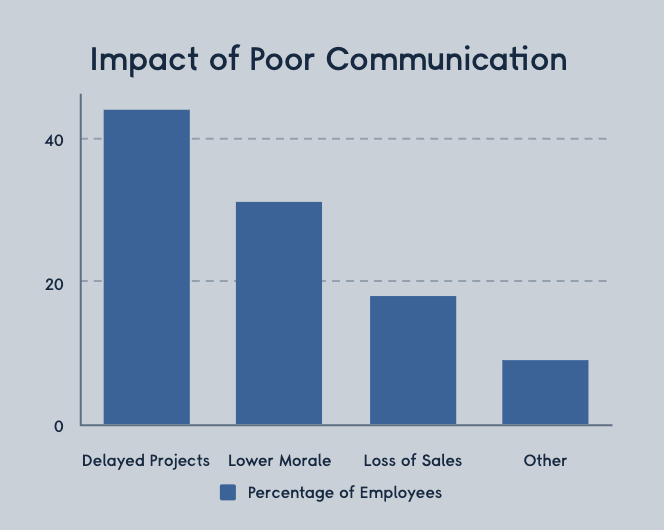
This highlights how critical strong communication is to organizational success. Effective managers don’t just give directions; they create open channels for discussion, offer clarity on expectations, and actively listen. This means setting regular check-ins, responding thoughtfully to questions, and being transparent about both goals and challenges.
The need for excellent communication skills is more urgent than ever. With the rise of remote work since the COVID pandemic, traditional workplace dynamics have changed. According to a 2020 Qualtrics study, 44.4% of surveyed remote workers reported declining mental health. Long hours, isolation, and unclear expectations only make things harder. That said, managers who foster clarity and openness—especially across digital platforms—can boost morale, improve productivity, and build trust within their teams.
#3 Technological Skills
Technically proficient leaders who can jump in and advise during all stages of a project are a valuable addition to any team. Keeping up to date on new software related to business, employee engagement, project management, or communication is essential to keeping a team connected. Technologically proficient team leaders can also train or retrain their employees with more confidence.
#4 The Ability to Empower Employees
Although many managers use the GROW model to train new employees, successful coaching skills are not easy to implement. A great coach also knows how to:
Offer suggestions.
Give constructive feedback.
Get to know the strengths and weaknesses of each of their employees.
#5 Organizational Skills
Task and time management can make or break the cohesiveness of your company. Leaders should be careful not to micromanage but instead delegate tasks and set clear goals and expectations. Good organization can also:
Provide a greater life-work balance.
Increase performance.
Improve the efficiency of your team members.
#6 Vision
Taking a company’s vision and translating it into decisive actions and a clear strategy is no small task and crucial for success. Determination, reliability, optimism, and persistence are all qualities of a visionary: a risk-taker who creates tactical plans to get work done.
#7 Encouraging Creativity
Creativity breeds innovation. Managers who provide resources and guidance for innovative ideas can help employees feel comfortable enough to think outside the box. Allowing employees to provide ideas and even make some decisions allows those team members to grow. Fun activities or team breaks can also encourage creative thinking and improve company culture.
“Good management is the art of making problems so interesting and their solutions so constructive that everyone wants to get to work and deal with them.” –Paul Hawken, entrepreneur
Hone Your Leadership Skills at The University of Texas Permian Basin
Learn the critical skills needed for effective leadership in any field or corporation, whether as a CEO or team leader. Our online Bachelor of Business Administration in Management can help you build and develop your skills as a manager, make crucial decisions, and strategize effectively in business and personal situations.
Our College of Business is AACB-accredited, and our courses are entirely online and offer the flexibility needed to fit your busy schedule. Students who complete their undergraduate degree in management may also want to further their leadership skills with our Master of Business Administration and complete an additional master’s degree in less than a year.
Ready to become part of the Falcon Family? Apply to UT Permian Basin today.
“It’s a beautiful summer day …” your star employee says as they stare longingly out the window. And chances are, they’re not the only one. Summer tests even the strongest teams. As the dog days hit, bloggers and journalists love citing a 2012 survey claiming that productivity drops a massive 20% during the summer. But…
If you’re considering a Bachelor of Business Administration (BBA), you’re likely aiming for a leadership role in the world of business. But with so many directions to choose from, picking the right focus can feel overwhelming. That’s where a BBA in management comes in. This versatile degree is designed to equip you with the communication,…
A traditional MBA path often means finishing your bachelor’s degree, entering the workforce, then returning to school years later for your MBA: an expensive and time-consuming journey that can take six or more years in total. At The University of Texas Permian Basin, we offer a smarter, faster option: our online 4+1 MBA program. In…
In the modern business enterprise, accountants are expected to understand data analytics, forensic accounting, and risk management, among other highly sought-after skills. Artificial intelligence (AI) technologies—like the software used to track financial transactions—can make accountants’ lives easier, but with each passing year, these technologies are taking over an increasing number of accounting tasks from trained individuals.
Accountants are understandably interested in the impact of AI on their profession. We’re here to make the argument that accountants should not only accept but embrace these smart technologies. Are AI and accounting the new chocolate and peanut butter? Let’s find out.
How AI and Accounting Go Together
Most people’s understanding of AI comes from science fiction: stories in which, let’s say, a rogue AI declares war on the human race. AI, at least in the world of business, simply refers to technologies that can perform tasks that previously required the personal touch of a human.
AI has assumed many of the repetitive and rudimentary tasks accountants once performed, freeing them to focus on more complex responsibilities like analyzing financial records and meeting face-to-face with managers and stakeholders. Here are several ways that AI has changed accounting. Just don’t expect things to slow down anytime soon: AI is still in its infancy.
Data entry
Accounting software can extract and classify data from images with greater efficiency than any human can achieve. (Can you believe there was a time when every single piece of data had to be keyed in manually?) This is where AI impacts accounting most significantly, permitting trained professionals to save time on mind-numbing tasks. The emergence of big data and cloud computing will, however, increase the need for accountants with expertise in data analysis.
Auditing
As hawkeyed as the average accountant may be, there’s no competing with the speed and accuracy of an AI tool. AI can spot anomalies caused by fraudulent spending or human error, and thanks to big data, this technology can be scaled to audit a business’s every financial statement. As these data sets grow, so too will the challenges accountants face in ensuring their companies remain compliant with laws and regulations.
Forecasting
Machine learning, a type of AI that uses algorithms to adapt and improve over time, enables accountants to analyze and glean insights from historical data. This takes the form of predictive and prescriptive analytics, which identify future outcomes and provide recommendations for achieving business objectives, respectively. Accountants will always be needed to help businesses plan for the future. AI is just making their job a little easier.
What makes accountants such valued members of any business are their robust skill sets and extensive knowledge of financial planning, risk management, and tax reporting. As startups grow into multinational corporations, accountants can make sense of increasingly complex tax codes and financial records. And we’ve yet to see an AI tool that can build a rapport with clients or explain the results of financial analysis.
Accounting: An Evolving Role
Deloitte’s 2022 Global Intelligent Automation survey asked executives to imagine an “ideal organization transformed by automation.” The survey revealed that businesses are moving closer to the ideal, with 46% of respondents planning to implement AI within the next three years. Traditionally, businesses have been slow to embrace disruptive technologies like AI, but those who do are more likely to survive in an increasingly automated world.
The role of accountants is evolving as businesses continue to adopt AI technology. No longer needed to collect and sort through data—leave that to AI—accountants are left to create concise, insightful reports and advise clients on how best to achieve their goals. This shift does, however, mean that accountants will have to further develop their technical and leadership skills and possibly become licensed CPAs. Professionals unable or unwilling to upskill could find themselves outcompeted by both peers and robots.
Embrace the Future
The University of Texas Permian Basin offers online programs for aspiring professionals as well as those interested in pursuing a terminal accounting degree. They are:
BBA in Accounting Our online Bachelor of Business Administration (BBA) in Accounting provides the foundational knowledge needed to make it in the world of business. Students receive expert guidance on accounting principles, including the fundamentals of cost accounting, assurance services, and accounting information systems. Graduates are better prepared for careers as accountants, auditors, and financial analysts, among many others.
MBA in Accounting Our online Master of Business Administration (MBA) with accounting emphasis empowers professionals with the business, interpersonal, and technical skills needed to steer organizations as financial experts. Able to be completed in as little as one year, our program offers students the choice to pursue their CPA licensure or take a broad course of study with our non-CPA track.
Master of Professional Accountancy Our online Master of Professional Accountancy program provides an in-depth understanding of traditional and contemporary accounting practices. Students can graduate in as little as one year prepared to take the Texas CPA exam and earn their certification. Courses are entirely online and taught by the same business professionals who teach on campus.
All three programs are accredited by the prestigious Association to Advance Collegiate Schools of Business (AACSB International), and their online format allows you to pursue your degree without impacting your personal or professional life. Continue working while future-proofing your career with the help of UT Permian Basin online.